Arthur Kurn

Home page

Appears as:

Born:

Parents:

Unit:

No.:

Rank:

Died:

Grave/Memorial: 
Kurn, Arthur

1892, Mayford, Surrey

Jacob and Esther (née Bullen)

8th Battalion, Suffolk Regiment

28917

Private

24 August 1916, No 13 General Hospital, France, age 23

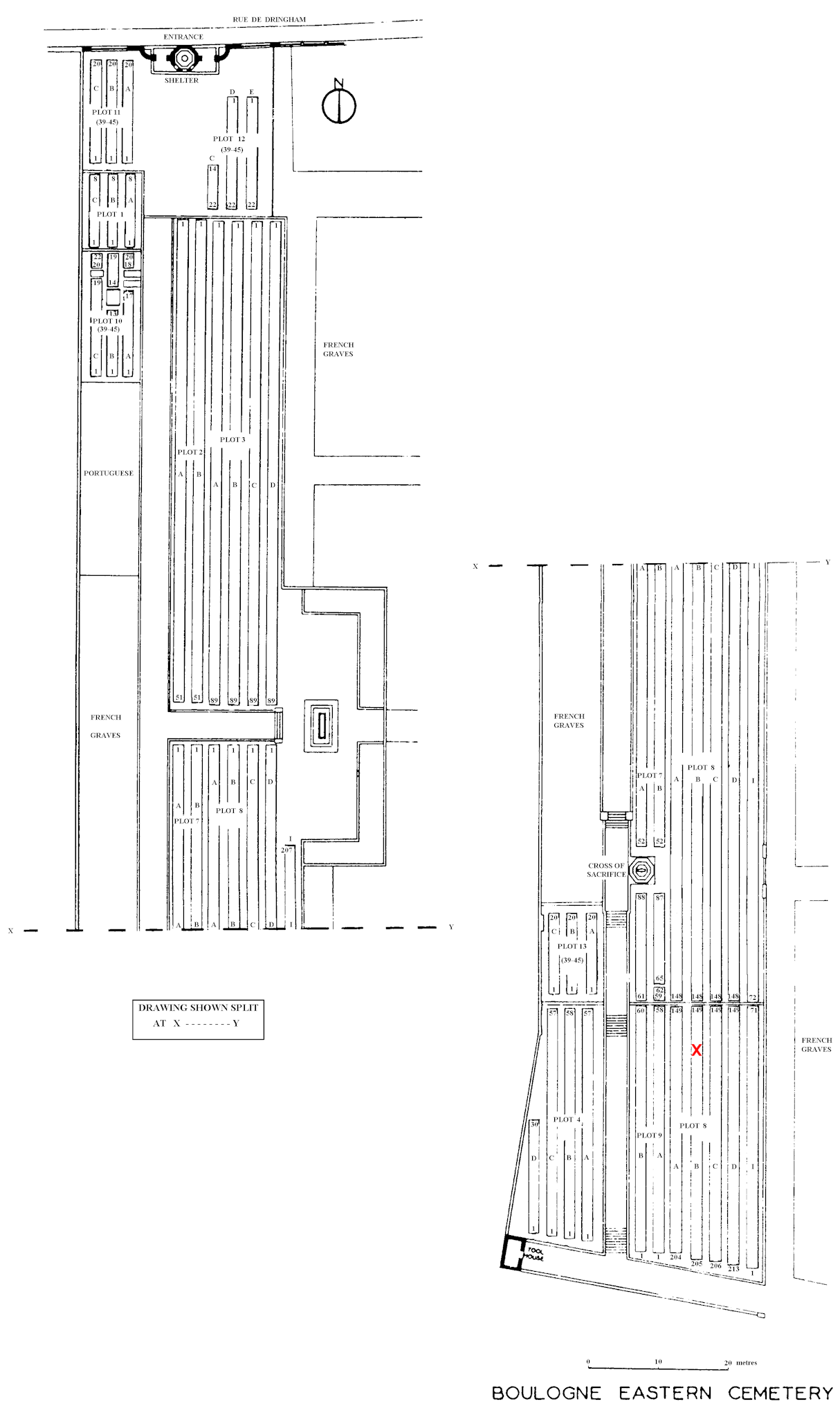
Boulogne Eastern Cemetery, France: VIII. B. 158
   

Biography:
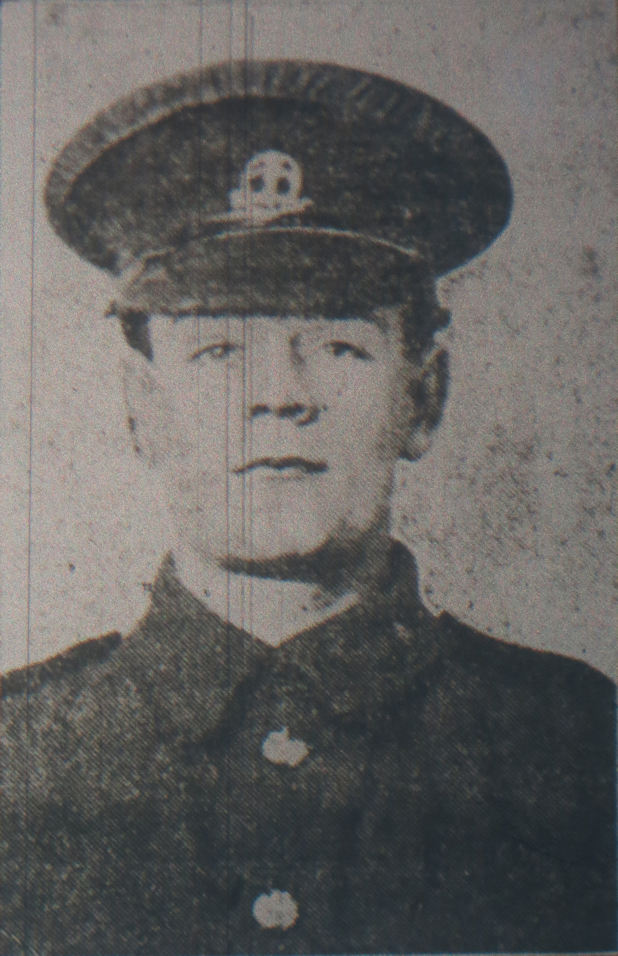
Arthur Kurn was born in Mayford, Surrey, in 1892. He was the son of Jacob, a farm labourer, and Esther (née Bullen). Arthur had
six brothers and two sisters.

After leaving school, Arthur worked as a labourer. The 1911 census shows him as working on a golf course, aged 18.
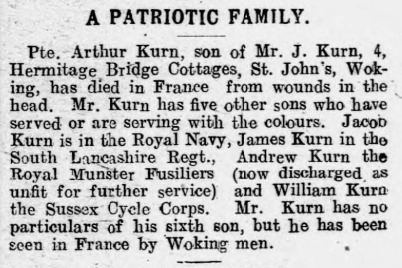
Arthur Kurn was called up and enlisted with the Suffolk Regiment. He was
serving with the 8th (Service) Battalion during the Battle of the Somme.

Arthur Kurn was wounded, and evacuated to No 13 General Hospital, in
France.

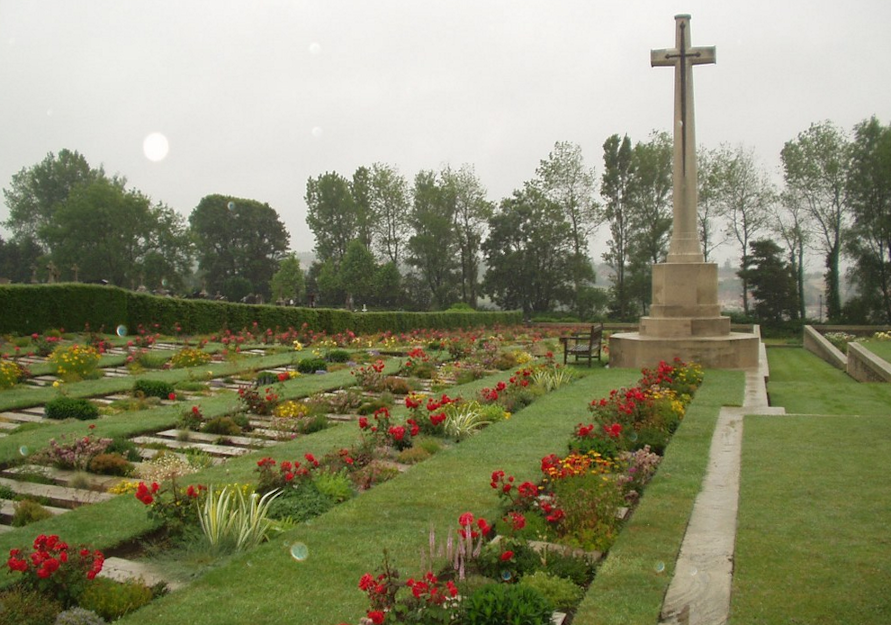
He died on 24 August 1916 and is buried in grave VIII. B. 158 within the
Boulogne Eastern Cemetery, France.

Arthur’s cousin, James George Kurn, who was killed just a week later, is also
commemorated on the St John’s memorial.

Five of Arthur’s brothers served in the First World War.


Boulogne, was one of the three base ports most extensively used by the Commonwealth armies on the Western Front throughout the First World War. It was
closed and cleared on the 27 August 1914 when the Allies were forced to fall back ahead of the German advance, but was opened again in October
and from that month to the end of the war, Boulogne and Wimereux formed one of the chief hospital areas.

Until June 1918, the dead from the hospitals at Boulogne itself were buried in the Cimetiere de L'Est, one of the town cemeteries, the Commonwealth graves
forming a long, narrow strip along the right hand edge of the cemetery. In the spring of 1918, it was found that space was running short in the Eastern
Cemetery in spite of repeated extensions to the south, and the site of the new cemetery at Terlincthun was chosen.

Boulogne Eastern Cemetery contains 5,577 Commonwealth burials of the First World War and 224 from the Second World War. The Commonwealth plots
were designed by Charles Holden.